












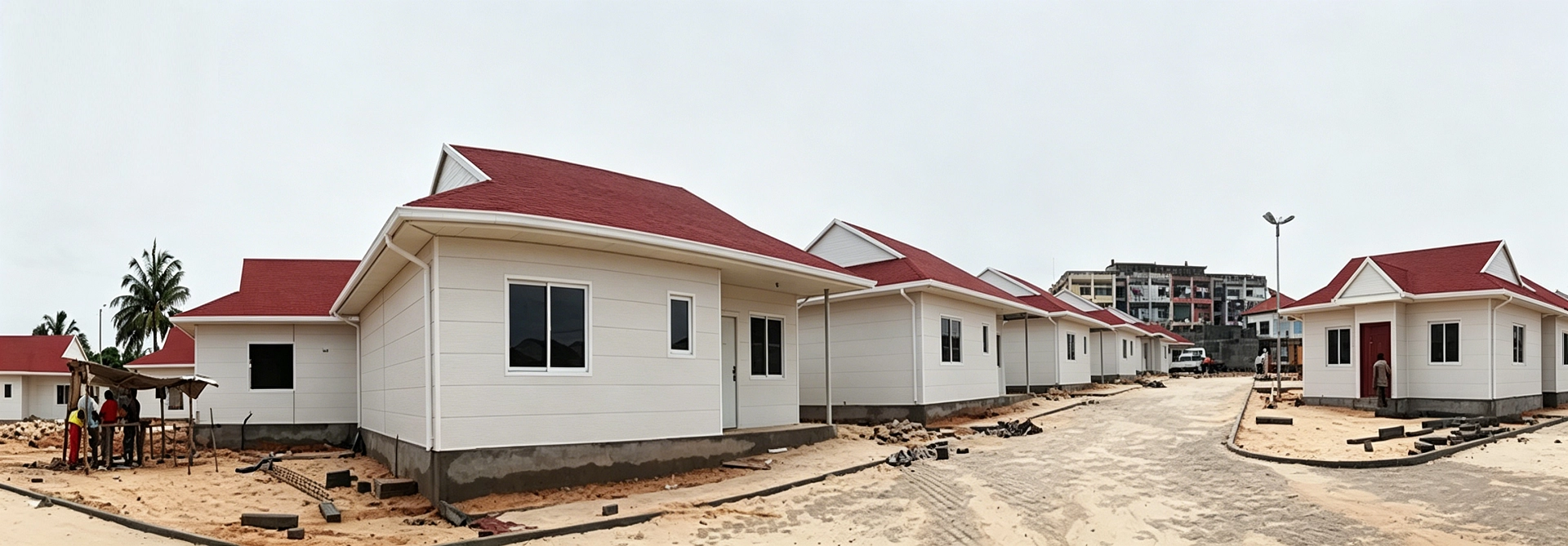
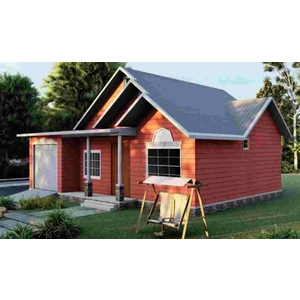
As a wholesale modular homes China provider and manufactured homes supplier China, Shandong Quality Integrated House Co., Ltd. delivers factory-produced housing units designed for quick on‑site assembly, serving applications such as worker accommodations, remote site offices, and emergency relief housing.
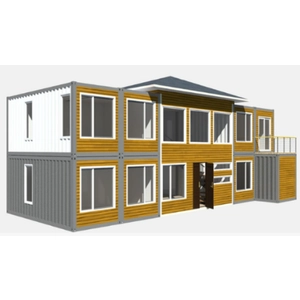
As a prefab house factory china-based manufacturer, Shandong Quality Integrated House Co.,Ltd. produces lightweight steel-framed houses and panelized units for rapid on-site assembly.
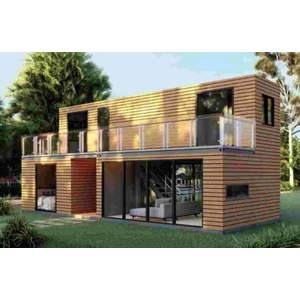
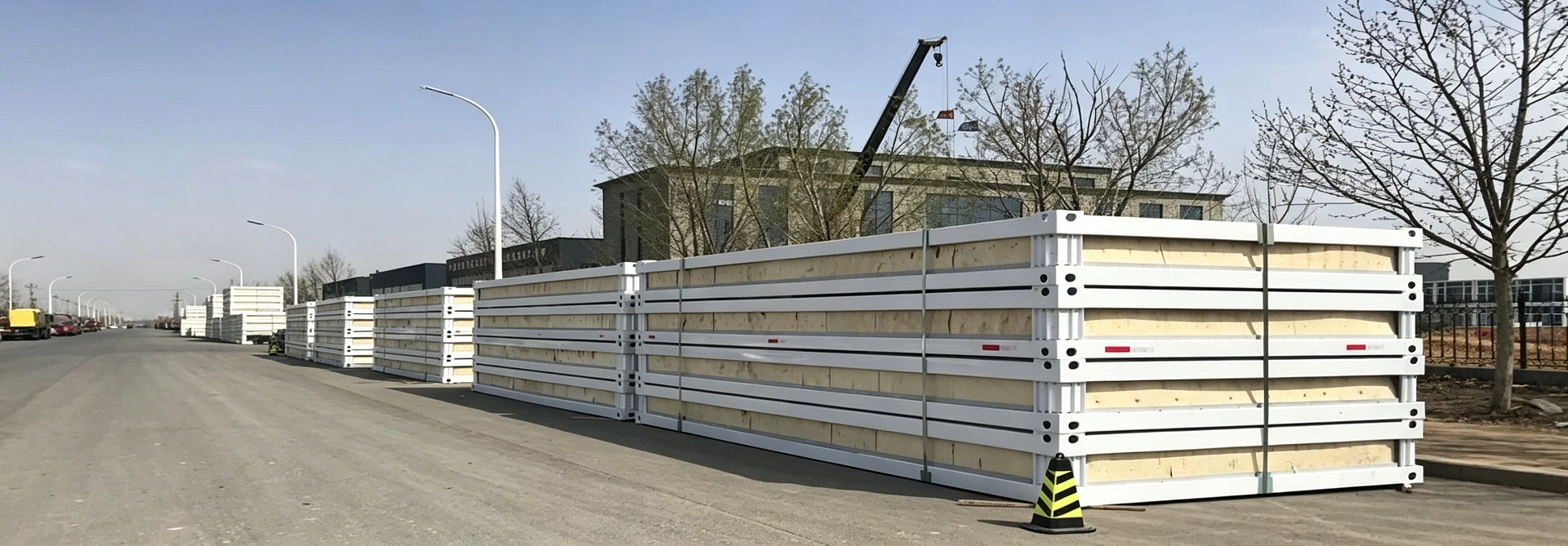
Shandong Quality Integrated House Co.,Ltd. makes portable units like the apple capsule, flat pack container house, and detachable container house for easy shipping and assembly.
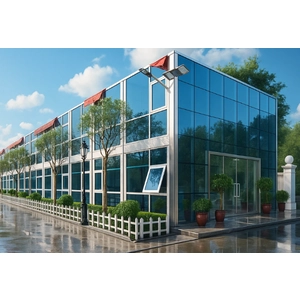
Shandong Quality Integrated House Co., Ltd. supplies three practical steel-based building systems—modular container house, prefab steel structure building, and light steel frame house—each designed for efficient production, easy assembly, and adaptable reuse across residential, commercial, and emergency projects.
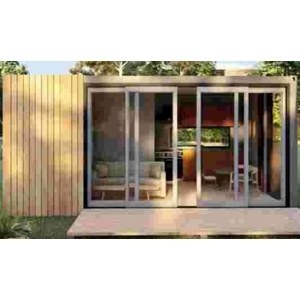
The prefab and flat pack container houses from Shandong Quality Integrated House Co.,Ltd. are easy to ship and assemble, while the expandable container house unfolds to double its area in minutes.
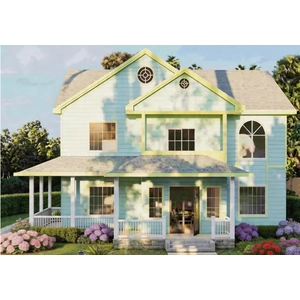
Shandong Quality Integrated House Co.,Ltd. now offers a prefab tiny house modern on sale that features clean contemporary design and durable steel framing, serving as a practical prefab steel solution china for residential or commercial use.
As the demand for efficient and sustainable building methods continues to grow, modular container house systems are gaining recognition for their mobility, rapid deployment, and reusability. These units are manufactured under controlled production conditions, which allows for consistent quality control and faster turnaround times compared to conventional on-site construction. Once delivered to the project site, modular container house units can be stacked horizontally or vertically, connected to form larger spaces, or used as standalone shelters. They are commonly applied in workforce housing, site offices, school classrooms, medical clinics, and disaster relief shelters. Their steel structure ensures durability, while the modular design enables future relocation or reconfiguration with minimal material waste.

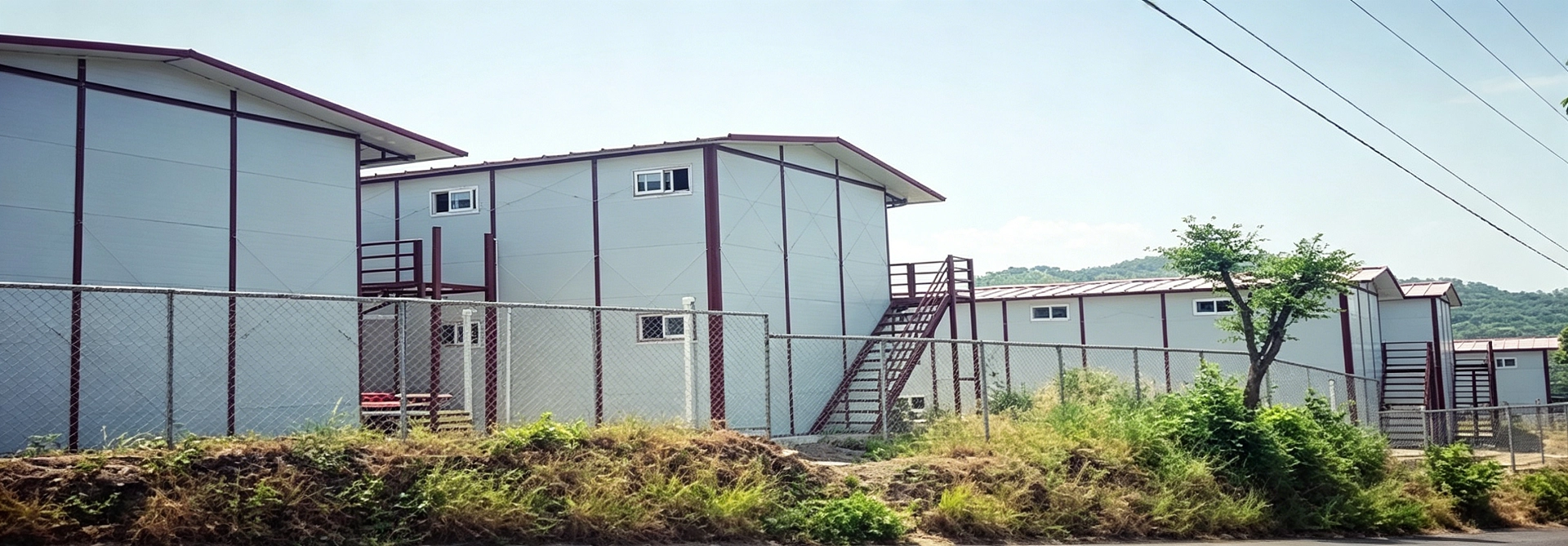
In parallel, prefab steel structure building technology offers an alternative for larger-scale developments that require long spans, high load-bearing capacity, and fast erection. Components such as columns, beams, roof trusses, and bracing systems are prefabricated in a factory according to engineering drawings, then transported to site for bolted or welded assembly. The prefabrication process significantly reduces on-site labor requirements, shortens construction timelines, and minimizes disruption to surrounding areas. Prefab steel structure building systems are widely used for warehouses, workshops, agricultural sheds, sports halls, and commercial complexes. The galvanized or painted steel surfaces provide corrosion resistance, and the structural design can accommodate various cladding, insulation, and roofing materials to meet local climate and code requirements.
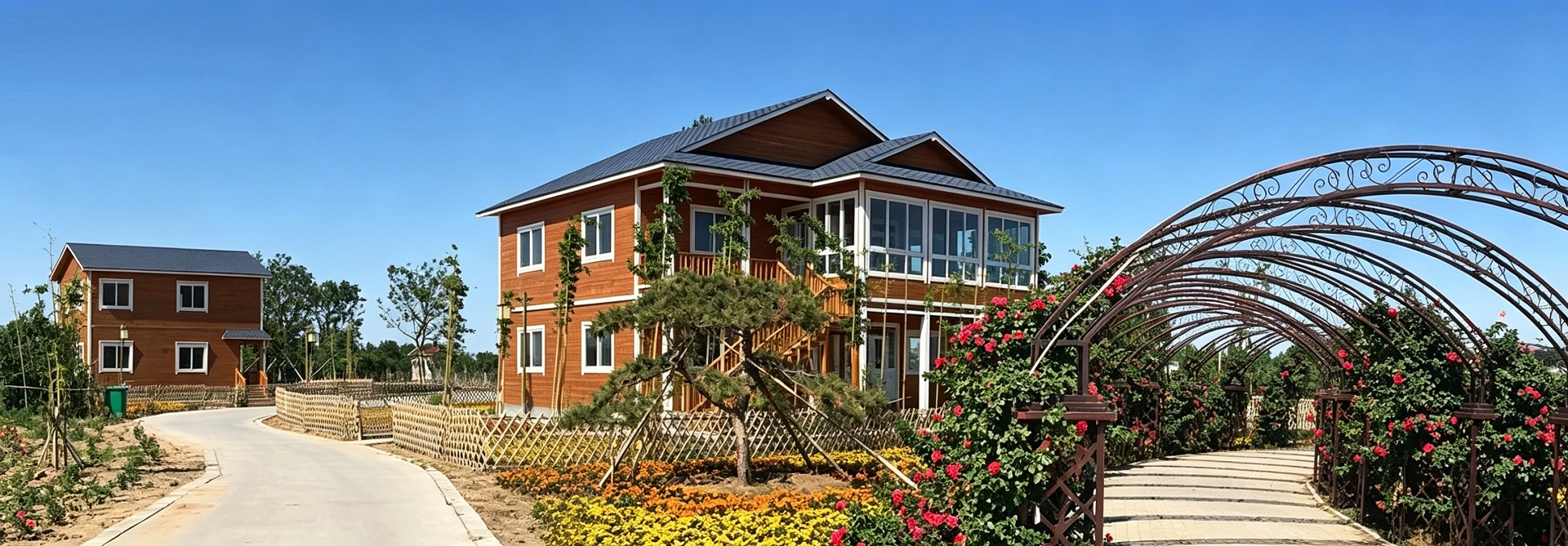
For single-family homes, residential communities, or small multi-story projects, the light steel frame house provides a lightweight yet durable alternative to traditional wood or concrete construction. Cold-formed galvanized steel sections are roll-formed with high precision, then cut and punched according to design layouts before being assembled on site. The light steel frame house resists corrosion, termites, and fungal decay, offering a longer service life in humid or pest-prone environments. The assembly process generates less material waste compared to traditional framing methods, and the light weight reduces foundation costs and transportation energy. These houses can be finished with standard insulation, vapor barriers, gypsum boards, and exterior claddings to achieve thermal comfort and aesthetic variety. Many developers choose the light steel frame house system for its balance of strength, cost predictability, and construction speed.

Shandong Quality Integrated House Co., Ltd. has been supplying these three construction systems to project developers, contractors, government agencies, and non-governmental organizations. The company focuses on standardized production workflows, detailed engineering drawings, and on-site assembly guidance to ensure that each modular container house, prefab steel structure building, and light steel frame house meets specified engineering requirements without unnecessary complexity. Each solution is designed for practical reuse or reconfiguration, aligning with modern circular economy principles. By offering multiple steel-based building systems under one roof, Shandong Quality Integrated House Co., Ltd. enables clients to select the most appropriate technology based on project scale, budget, site conditions, and intended service life—without compromising on quality or delivery reliability.