












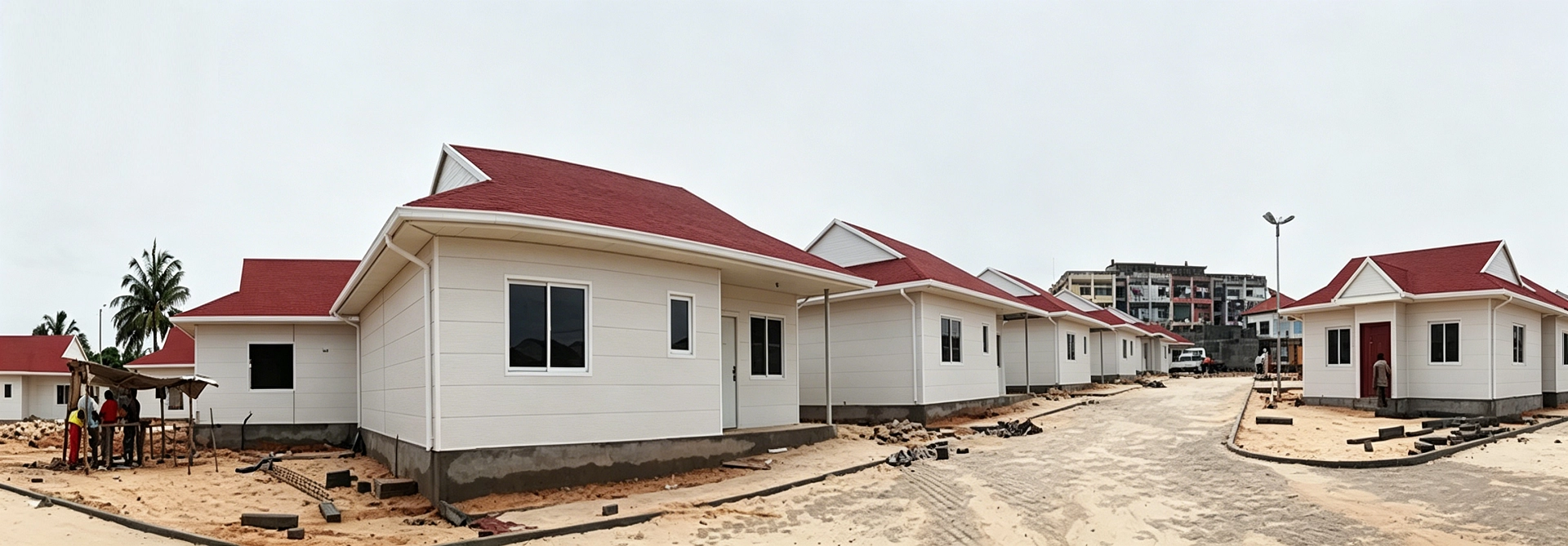
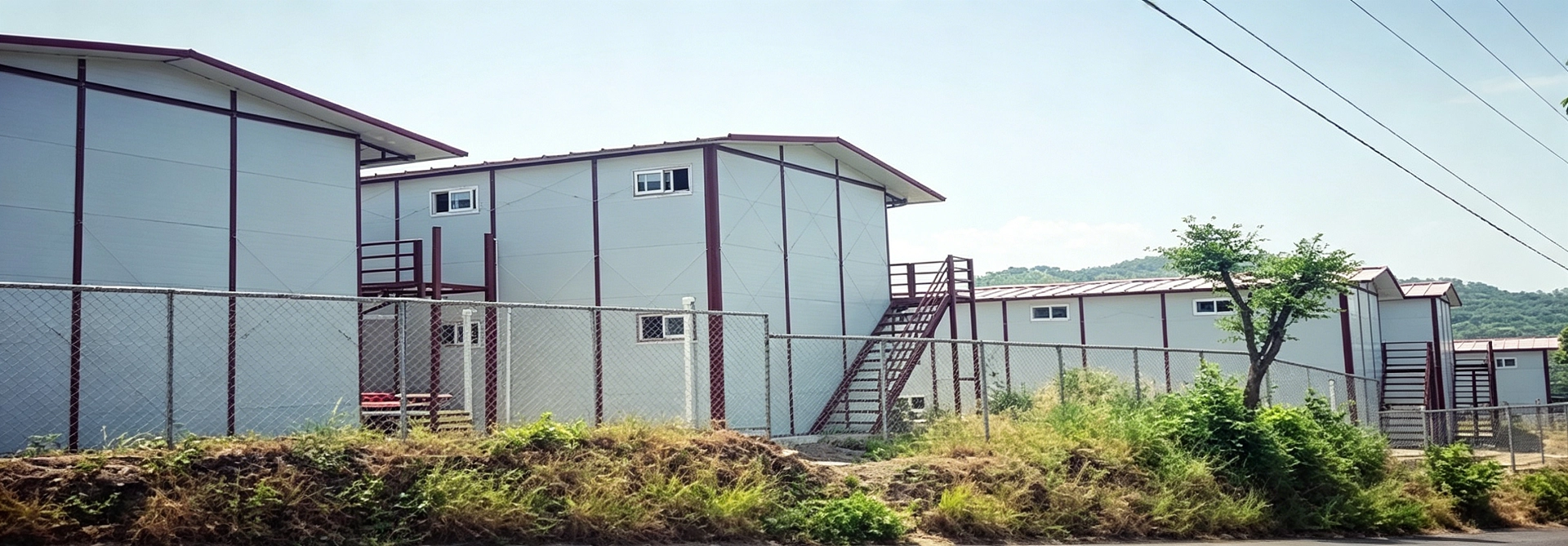
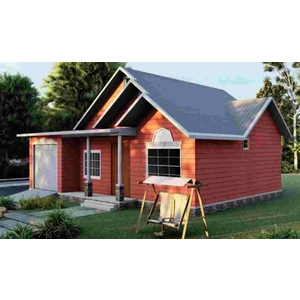
As a wholesale modular homes China provider and manufactured homes supplier China, Shandong Quality Integrated House Co., Ltd. delivers factory-produced housing units designed for quick on‑site assembly, serving applications such as worker accommodations, remote site offices, and emergency relief housing.
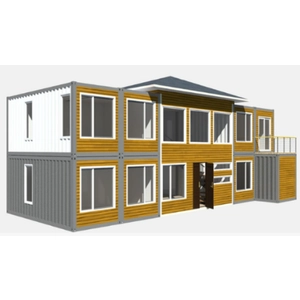
As a prefab house factory china-based manufacturer, Shandong Quality Integrated House Co.,Ltd. produces lightweight steel-framed houses and panelized units for rapid on-site assembly.
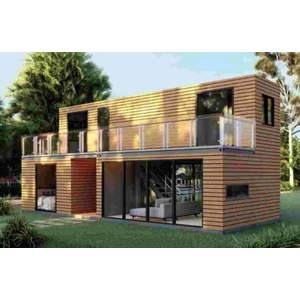
Shandong Quality Integrated House Co.,Ltd. makes portable units like the apple capsule, flat pack container house, and detachable container house for easy shipping and assembly.
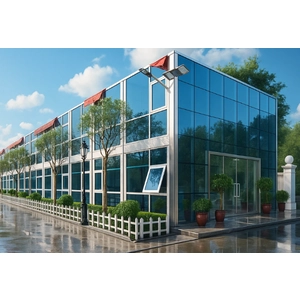
Shandong Quality Integrated House Co., Ltd. supplies three practical steel-based building systems—modular container house, prefab steel structure building, and light steel frame house—each designed for efficient production, easy assembly, and adaptable reuse across residential, commercial, and emergency projects.
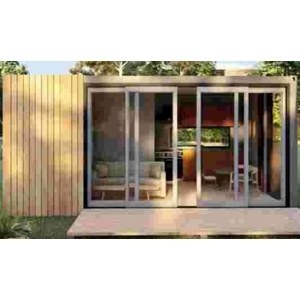
The prefab and flat pack container houses from Shandong Quality Integrated House Co.,Ltd. are easy to ship and assemble, while the expandable container house unfolds to double its area in minutes.
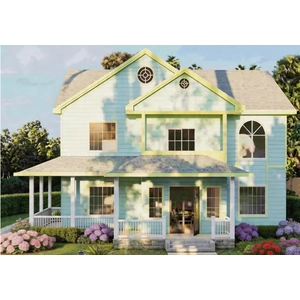
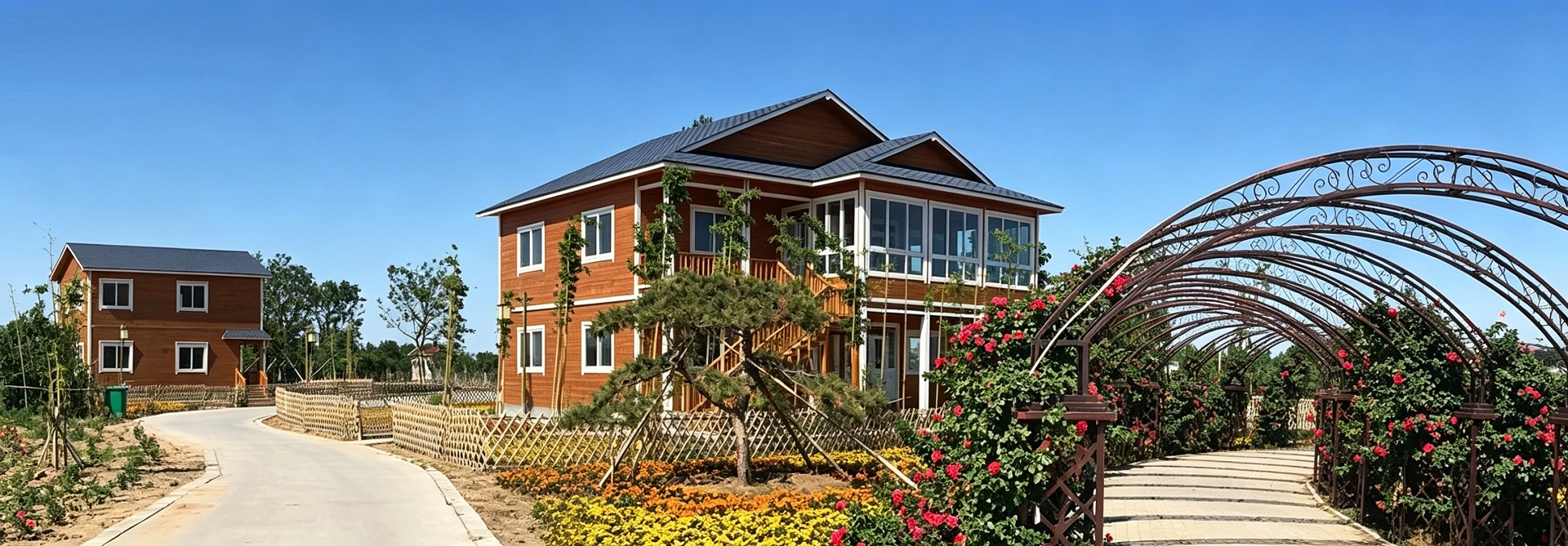
Shandong Quality Integrated House Co.,Ltd. now offers a prefab tiny house modern on sale that features clean contemporary design and durable steel framing, serving as a practical prefab steel solution china for residential or commercial use.
As demand grows for flexible and efficient living spaces, prefab container home technology continues to gain traction among residential and commercial users. These steel-based units offer a durable alternative to traditional construction, with standardized dimensions that simplify transportation and on-site assembly.
One notable advancement in this field is the expandable container house. Designed for scenarios where space requirements vary, this model features collapsible side panels that fold inward during transit. Once the unit reaches its destination, the panels extend outward to double the usable floor area within minutes. This design proves particularly useful for temporary workforce housing, remote site offices, or rapid-response shelters.
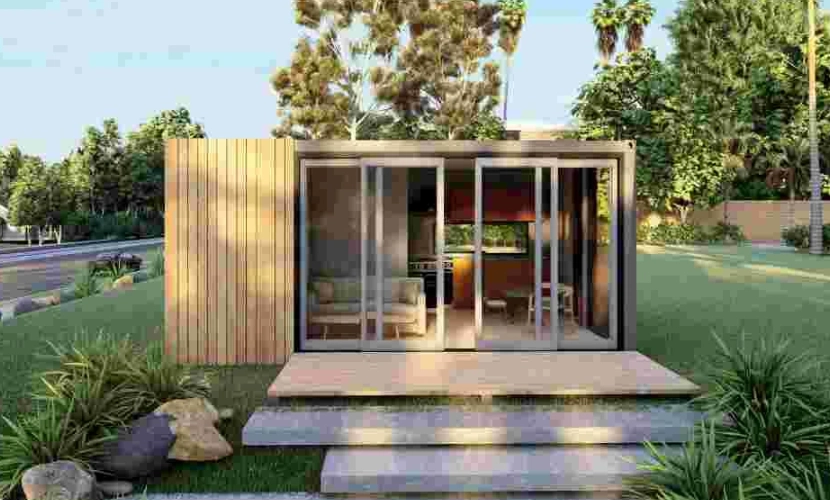
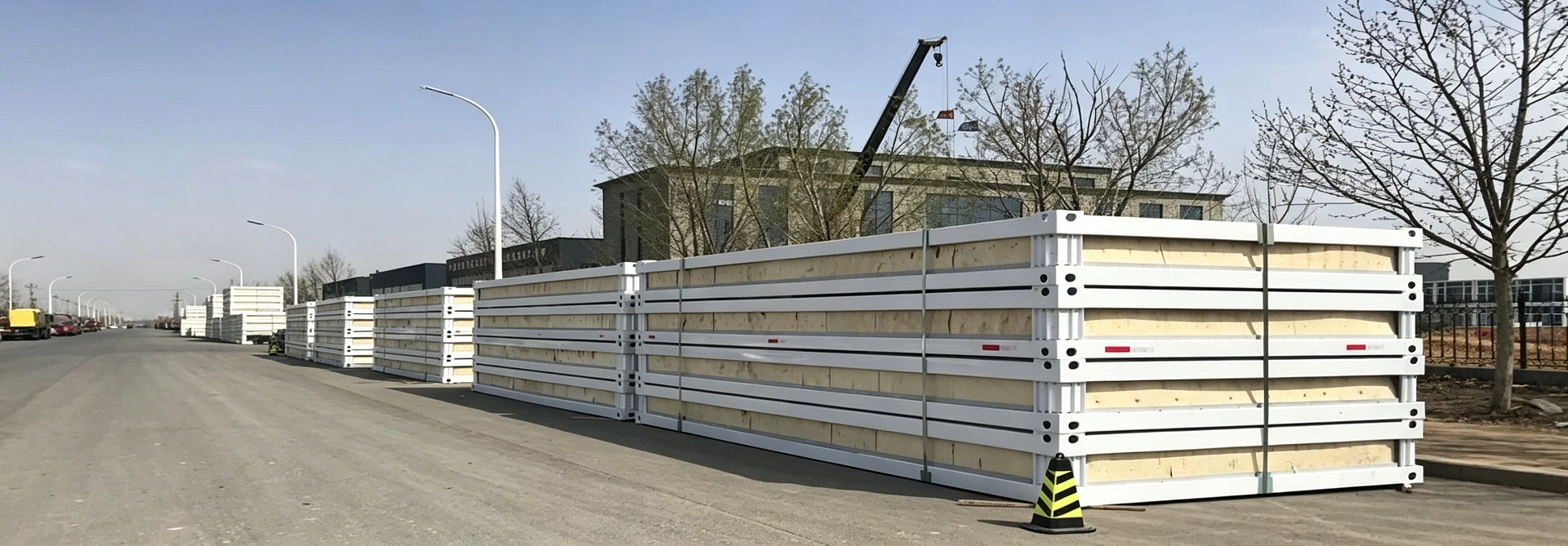
For projects demanding even greater logistical convenience, the flat pack container house presents a compelling option. Here, all building components—wall panels, floor frames, roofing sheets, and connectors—are prefabricated in a factory and then packaged into a standard cargo container. Upon arrival, a small crew can assemble the entire structure without heavy lifting equipment, following a numbered locking system. Once disassembled, the same flat pack can be relocated multiple times, reducing long-term material waste.
Shandong Quality Integrated House Co., Ltd. has been producing these three configurations using galvanized steel frames and sandwich panel insulation. The company focuses on modular designs that comply with basic wind and seismic load standards, while keeping assembly steps intuitive for general contractors. Their product line prioritizes reusability and minimal site disruption, aligning with current trends toward circular construction practices.
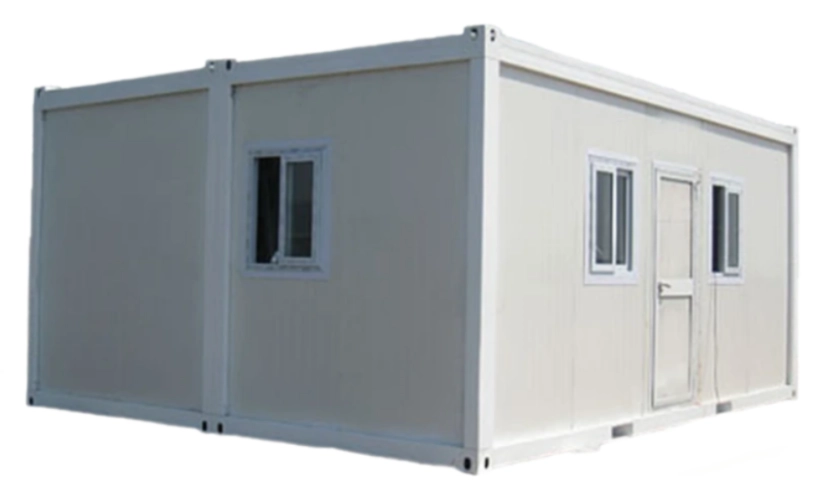
All units undergo pre-delivery testing for water tightness and structural alignment, ensuring that whether in collapsed, expanded, or flat-pack form, each house meets consistent performance benchmarks. As building codes increasingly recognize non-permanent structures, these container-based solutions are becoming a pragmatic choice for both emergency and planned developments.