












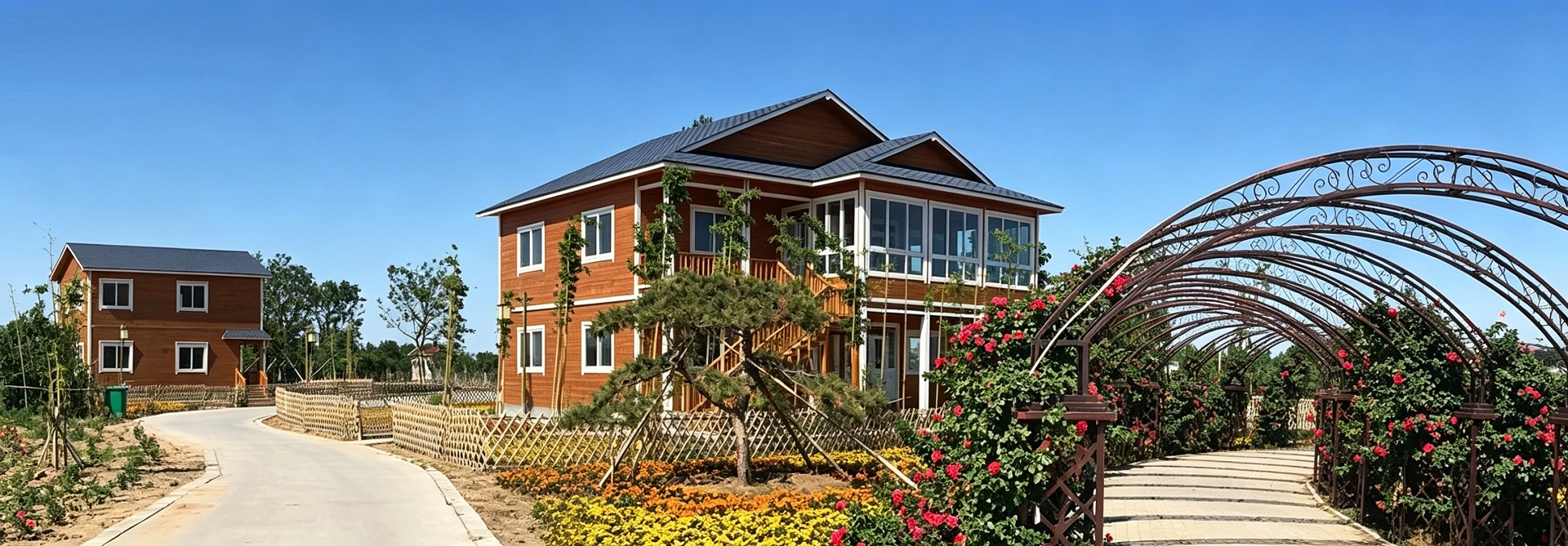
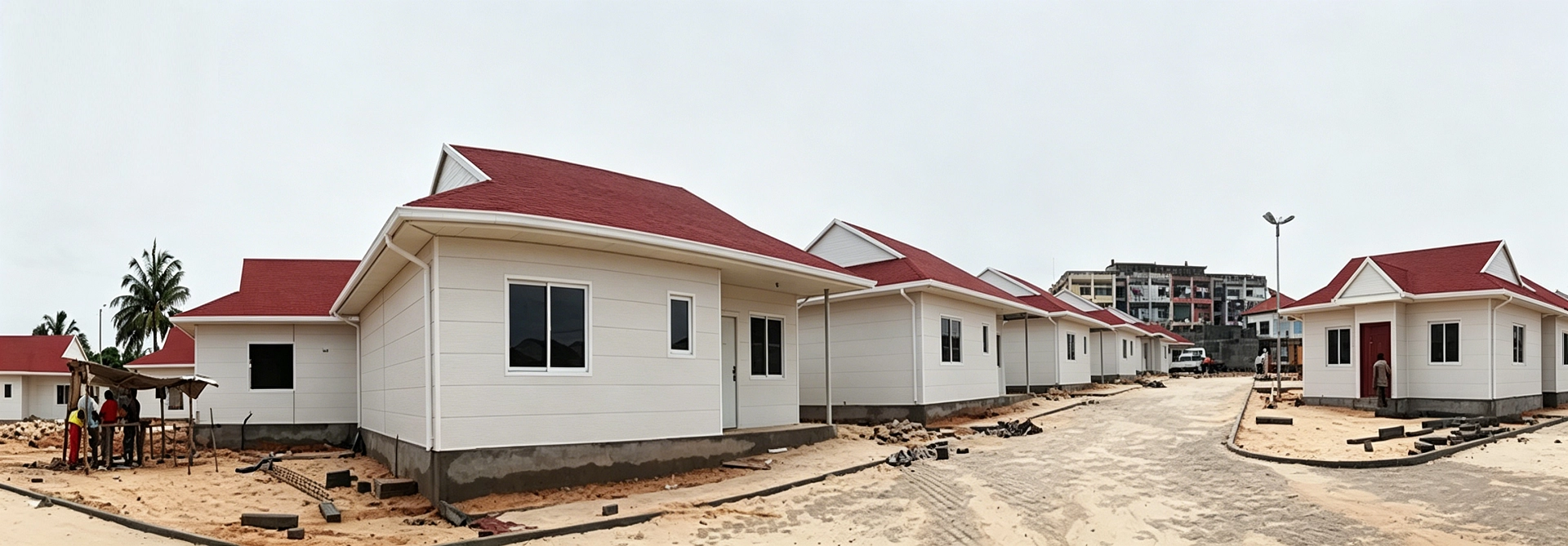
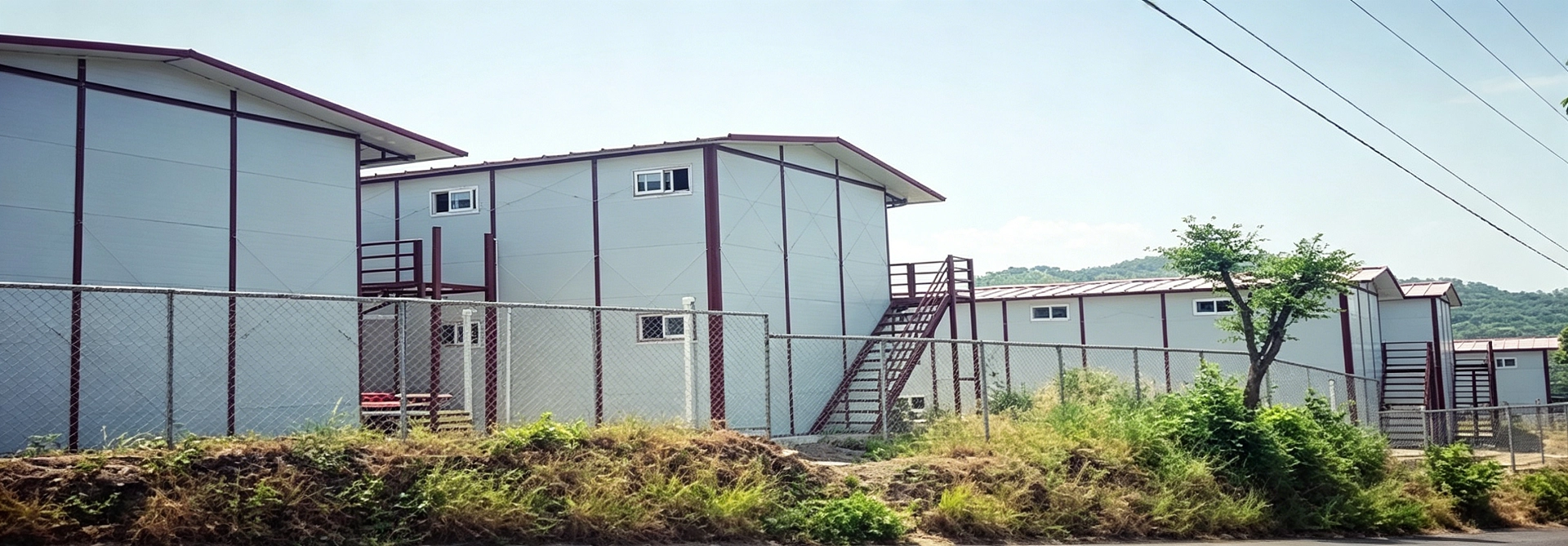
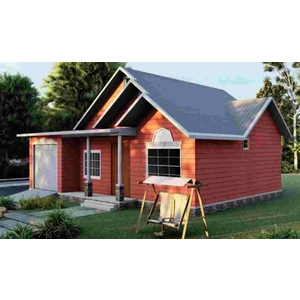
As a wholesale modular homes China provider and manufactured homes supplier China, Shandong Quality Integrated House Co., Ltd. delivers factory-produced housing units designed for quick on‑site assembly, serving applications such as worker accommodations, remote site offices, and emergency relief housing.
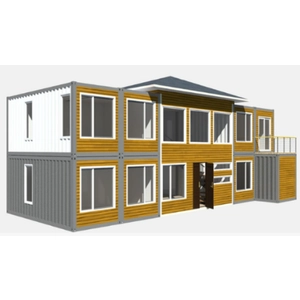
As a prefab house factory china-based manufacturer, Shandong Quality Integrated House Co.,Ltd. produces lightweight steel-framed houses and panelized units for rapid on-site assembly.
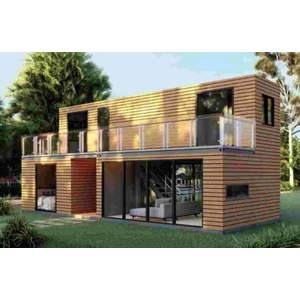
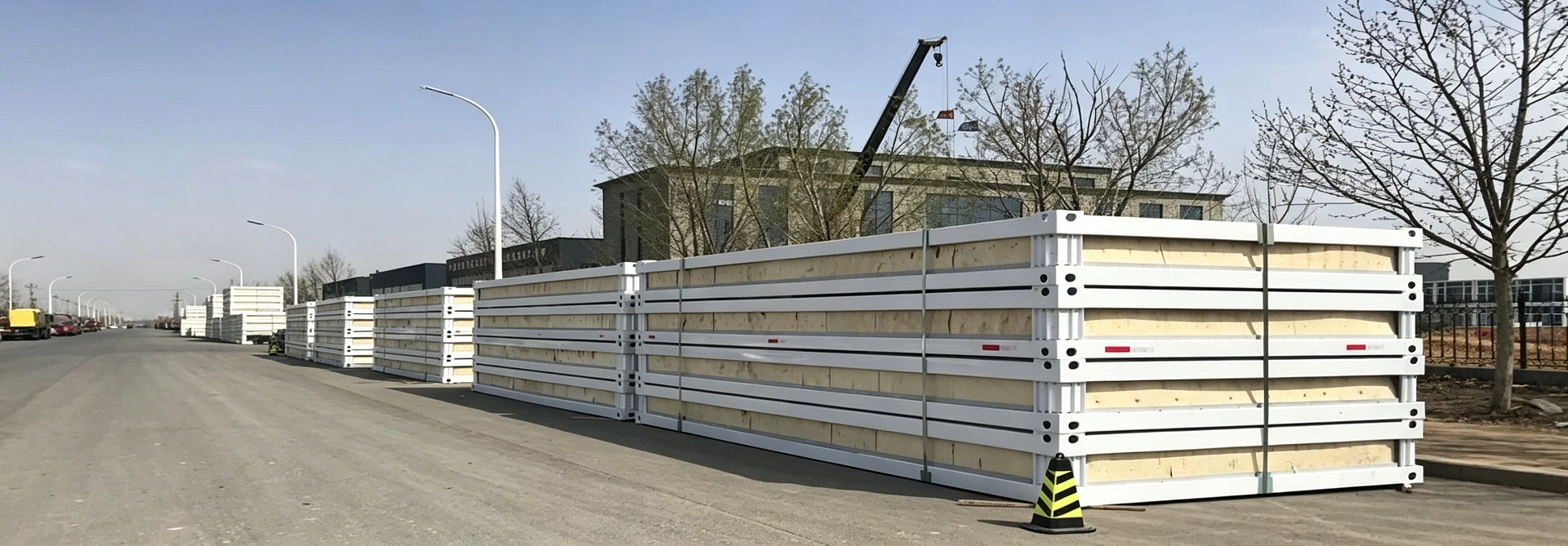
Shandong Quality Integrated House Co.,Ltd. makes portable units like the apple capsule, flat pack container house, and detachable container house for easy shipping and assembly.
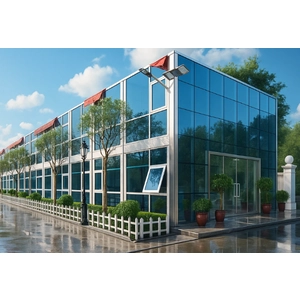
Shandong Quality Integrated House Co., Ltd. supplies three practical steel-based building systems—modular container house, prefab steel structure building, and light steel frame house—each designed for efficient production, easy assembly, and adaptable reuse across residential, commercial, and emergency projects.
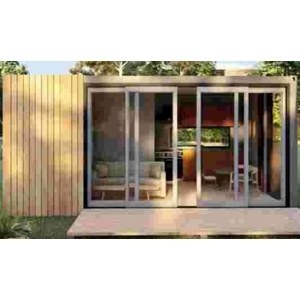
The prefab and flat pack container houses from Shandong Quality Integrated House Co.,Ltd. are easy to ship and assemble, while the expandable container house unfolds to double its area in minutes.
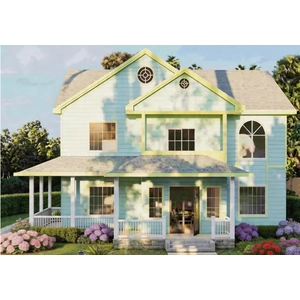
Shandong Quality Integrated House Co.,Ltd. now offers a prefab tiny house modern on sale that features clean contemporary design and durable steel framing, serving as a practical prefab steel solution china for residential or commercial use.
Across the globe, the demand for rapid, adaptable, and efficient workspace solutions is reshaping traditional construction. From remote project sites to bustling urban commercial zones, businesses and organizations are turning to innovative alternatives to brick-and-mortar buildings. At the heart of this shift is the rise of modular architecture, offering everything from instant workspaces to specialized retail points.
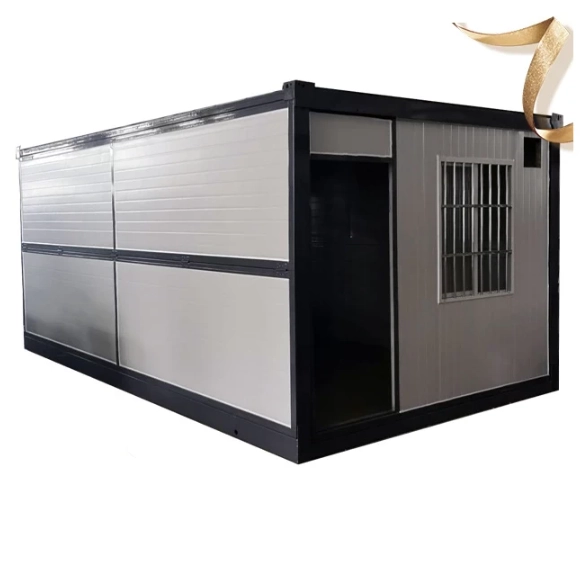
One of the most significant trends is the increased demand for a low price container office that does not compromise on quality or durability. These units, built from modified shipping containers, provide a robust structural framework that is naturally weather-resistant and secure. They serve as ideal solutions for construction site management hubs, remote research stations, or temporary administrative centers. Their inherent strength allows them to be stacked and combined, creating multi-story complexes that can be installed with minimal site preparation, drastically cutting down project timelines compared to conventional building methods.
In response to global logistics challenges, the industry is also innovating in transport efficiency. The development of the foldable container on sale today represents a leap forward in reducing carbon footprints and repositioning costs. These ingenious units can be collapsed when not in use, allowing multiple empty units to be shipped back in the space typically occupied by just one. This not only lowers freight costs for the return leg but also addresses the critical issue of port congestion, making the entire supply chain for modular buildings more sustainable and economical.
Furthermore, the commercial sector is benefiting from specialized applications, as a modular kiosk manufacturer China provides the ability to deploy customized retail and service points with unprecedented speed. These are not just simple booths; they are fully fitted units equipped with electrical systems, branding elements, and ergonomic interiors. Whether for a food and beverage outlet in a busy mall lobby, a ticketing booth at an entertainment venue, or a security checkpoint, these modular structures offer a turnkey solution that can be mass-produced for consistency or customized for unique brand identities.
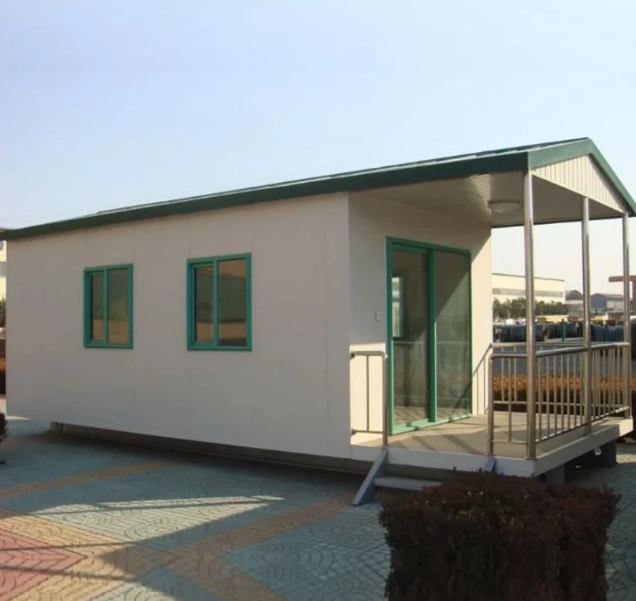
Companies like Shandong Quality Integrated House Co., Ltd. are at the forefront of this transformation, integrating these key innovations into their product lines. By focusing on structural integrity and practical design, they provide solutions that address the real-world needs of clients looking for flexibility. Their approach emphasizes that modern prefabricated structures are no longer a compromise, but a strategic choice for efficient growth and operational agility.